Custody & Wallets
How should I protect a crypto seed phrase?
What is the safest practical way to store a seed phrase?
Create it only in a trusted wallet, keep every copy offline, never photograph, email or type it into a website, and protect backups from theft and physical damage. Store them in separate secure locations and test recovery with a low-value wallet. Anyone with the phrase can usually control the assets.
By: Sherpa Desk
Review status: Source-checked by the CryptoSherpa Editorial Desk; no named security professional has reviewed your storage plan.
Scope: Global security guidance; succession, property and disclosure rules depend on local law.
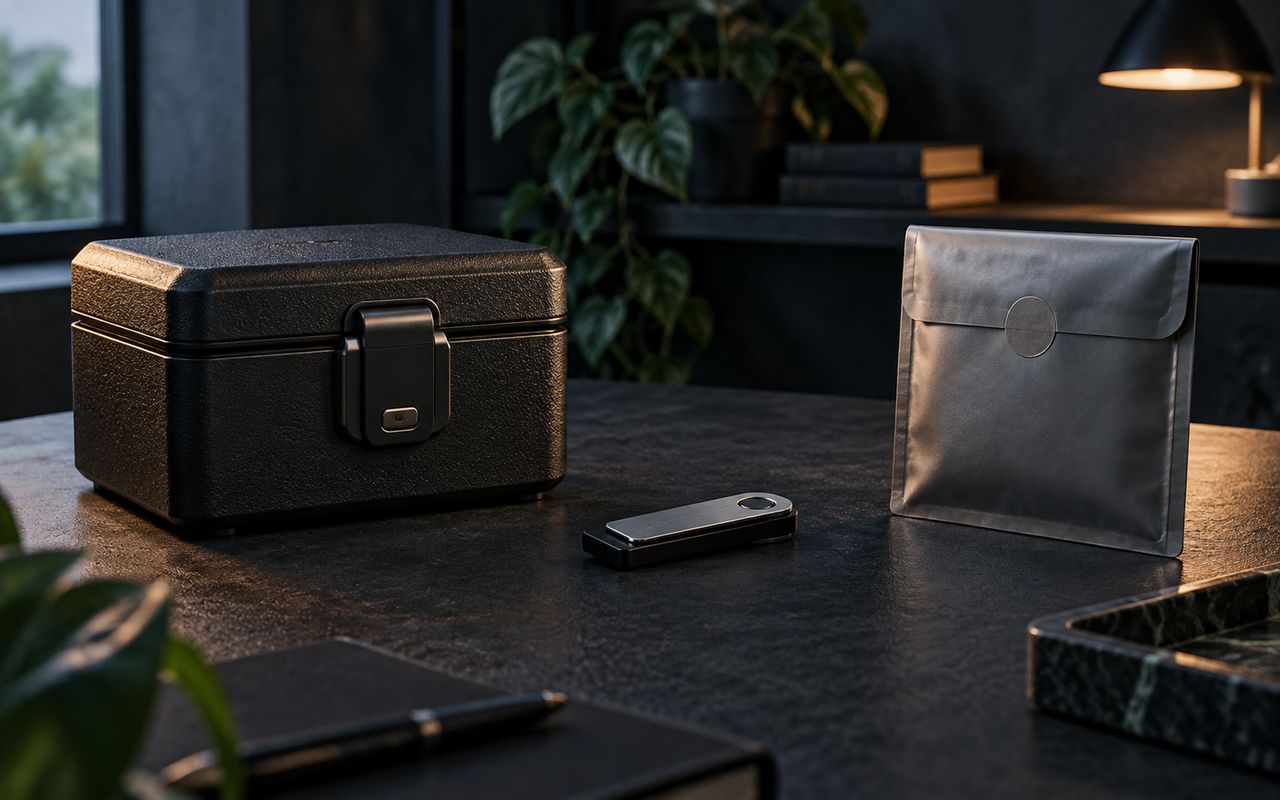
- Master recovery secret
- A seed phrase can regenerate many wallet keys and addresses
- No support request
- A legitimate wallet or exchange support agent does not need your seed phrase
- Offline is not enough
- Backups also need theft, damage and discovery controls
- Verify recovery
- Test the documented process before meaningful value depends on it
- 1Generate the phrase inside a trusted wallet following its official setup instructions.
- 2Record it offline without cameras, cloud notes, email or messaging apps.
- 3Protect separate backups from theft, fire, water and accidental disposal.
- 4Test recovery with a low-value wallet before depending on the backup.
- 5Create a private succession plan that does not expose the phrase prematurely.
Treat the phrase as control, not as a password
A seed phrase can recreate the private keys for a wallet. A password may only lock one copy of the wallet software; it does not necessarily protect funds from someone who has the phrase. That is why legitimate support should never ask for it.
Generate the phrase in a trusted wallet obtained through an independently verified source. Record it away from cameras and connected devices. Photos, cloud notes, drafts and messages create additional copies that can be synchronised, indexed or exposed by account takeover.
Plan for both theft and loss
One visible paper copy can be stolen, burned, flooded or thrown away. Multiple copies improve resilience but increase the number of places an attacker can find. Choose secure, separate locations and use durable materials where appropriate. Do not label the backup in a way that advertises what it controls.
Test the exact recovery flow with a low-value wallet. Confirm that the words, order and any additional passphrase work before storing meaningful value. A passphrase can create a separate wallet, but forgetting it can be as final as losing the seed.
Include future you
Document which wallet standard and network the recovery relates to without putting the secret beside the instructions. Decide how a trusted person could recover the right assets if you die or become incapacitated, and obtain local legal advice for succession needs.
Never enter the phrase because a search result, direct message, pop-up or “wallet validation” page asks. If it has touched an untrusted device or person, assume it is exposed rather than waiting for funds to move.
Sources
Primary and authoritative sources checked on the dates shown:
- Crypto Asset Custody Basics for Retail Investors — U.S. Securities and Exchange Commission Investor.gov; accessed .
- Secure your wallet — Bitcoin.org; accessed .
- Ethereum security and scam prevention — Ethereum.org; accessed .
Questions
Can I store a seed phrase in a password manager?
That adds a searchable digital copy and changes the threat model. Some people accept that trade-off, but it is not equivalent to an offline backup. Follow the wallet's official guidance and understand account-recovery risk.
Should I split the words between locations?
An improvised split can make recovery fragile while providing less protection than expected. Use a documented backup or threshold scheme only if you understand and have tested every recovery path.
What should I do if I typed my phrase into a website?
Treat the wallet as compromised. Using a clean, trusted setup, move assets to a newly generated wallet after verifying addresses and fees. Do not reuse the exposed phrase.