Safe Transactions
How can I send crypto without using the wrong network?
What should I check before sending a crypto transaction?
Confirm the recipient, asset, network and address from an independent channel; include any required memo or tag; inspect the wallet's decoded transaction; compare the device display; and send a small test first. Recheck the copied address because malware can replace it. Finality means a mistaken transfer may be unrecoverable.
By: Sherpa Desk
Review status: Source-checked by the CryptoSherpa Editorial Desk; no named protocol engineer has reviewed your proposed transaction.
Scope: Global operational guidance; transaction finality and provider recovery options vary by network and custodian.
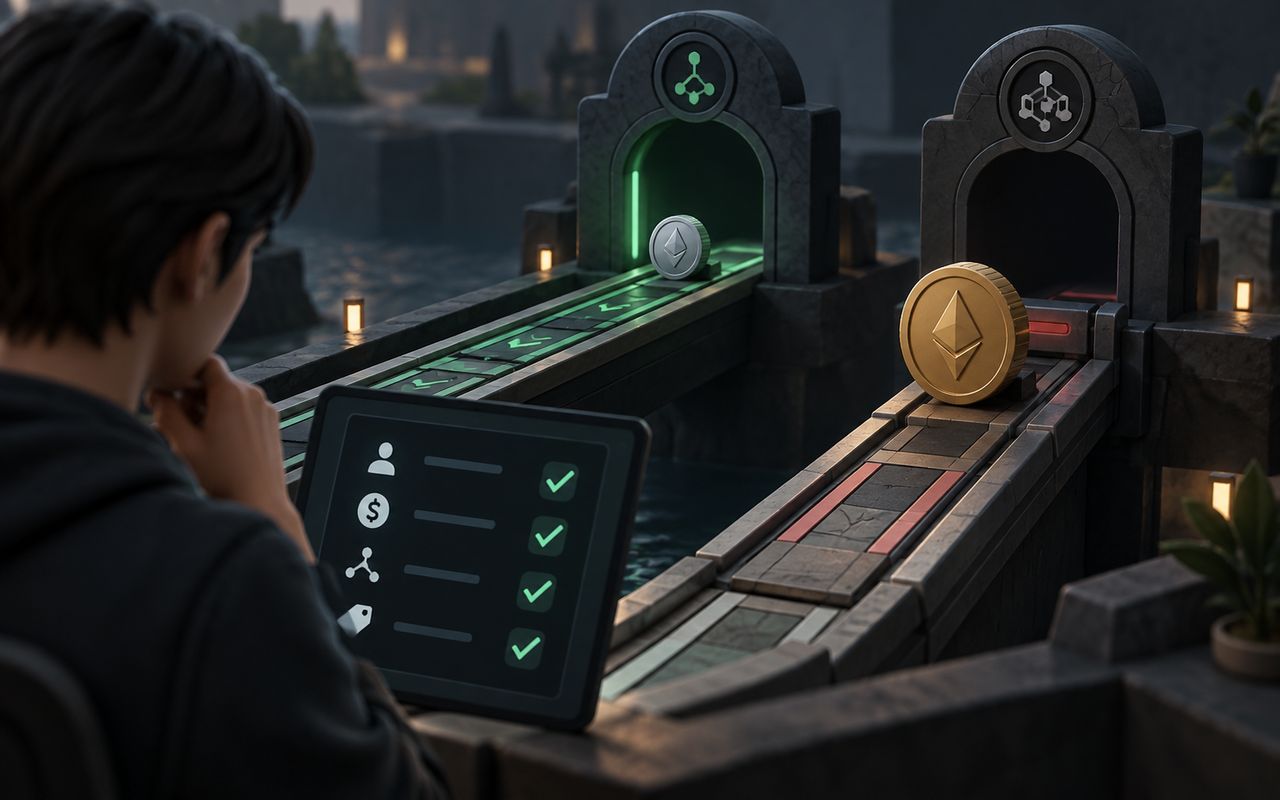
- Same ticker, different asset
- Token symbols can be reused across networks and contracts
- Memo or tag
- Some custodial deposits require an additional identifier beyond the address
- Clipboard risk
- Malware can replace a copied address, so compare after pasting
- Test transfer
- Reduces setup error but adds a fee and does not guarantee future processing
- 1Confirm the recipient, exact asset, supported network and any memo or tag independently.
- 2Compare the full destination on the trusted device display after pasting it.
- 3Review amount, fee, contract interaction and permissions before signing.
- 4Send a small test and verify receipt before sending the remainder.
- 5Save the transaction hash and both sides' records for reconciliation.
Verify four separate things
An address alone is not enough. Confirm the recipient, asset, network and any memo or destination tag. The receiving wallet or custodian’s current deposit screen is the controlling instruction: Coinbase, for example, tells customers to confirm that the recipient’s expected network matches the sending network and says it cannot recover Coinbase sends made on the wrong network. Obtain the destination through a channel you trust and confirm unexpected changes through a second channel.
After pasting, compare the full address again. Trezor’s trusted-display guidance warns that clipboard malware can replace a copied address and says to compare the destination and amount shown on the hardware device before approval. The device can show what it will sign; it cannot tell you whether the recipient originally supplied the right address.
Understand what you are signing
Use the wallet’s preview and, where available, the signing device’s display to inspect what the transaction actually decodes, especially the destination and amount. A token approval or smart-contract call may grant spending authority or perform several actions. Reject blind or unexplained signatures and return to the project’s independently verified documentation.
Check whether the receiving service requires a memo or tag, has minimum deposits, or pauses that network. Coinbase explains that some custodial deposits use a shared address plus a memo or tag to route funds to the correct account; its guidance says an omitted or incorrect identifier can delay credit or lose funds and recommends considering a small test. Keep any test above the recipient’s published minimum and economically sensible after fees. Wait for the recipient—not just your wallet—to confirm credit.
Keep records and repeat the check
Record the asset, network, address, memo, amount, fee, timestamp and transaction hash. These help with support, security investigation and tax records. Do not rely on an exchange to retain your history indefinitely.
For the remaining amount, repeat every check. A correct test does not make a later copied address safe. If anything changes between the test and main transfer, stop and re-verify from the beginning.
Sources
Primary and authoritative sources checked on the dates shown:
- Ethereum security and scam prevention — Ethereum.org; accessed .
- Destination tags and memos — Coinbase Help; accessed .
- Send and receive troubleshooting — Coinbase Help; accessed .
- Trezor's Trusted Display: Verify every address on your device — Trezor; accessed .
- Crypto Asset Custody Basics for Retail Investors — U.S. Securities and Exchange Commission Investor.gov; accessed .
Questions
Is checking the first and last characters of an address enough?
No. Ethereum.org says the address should exactly match the intended recipient, and Trezor says to compare the destination shown on its trusted display. Check the full address against the trusted original or device screen, not just a few characters.
What happens if I choose the wrong network?
The recipient may not credit the deposit, and recovery may be impossible or require provider help and fees. Confirm both sides support the same network before sending.
Does a successful test guarantee the larger transfer is safe?
No. It validates the selected route and recipient at that time. Recheck the address, network, amount and wallet prompt for the second transaction as carefully as the first.